Nuclear Bomb 3D Model: Educational History
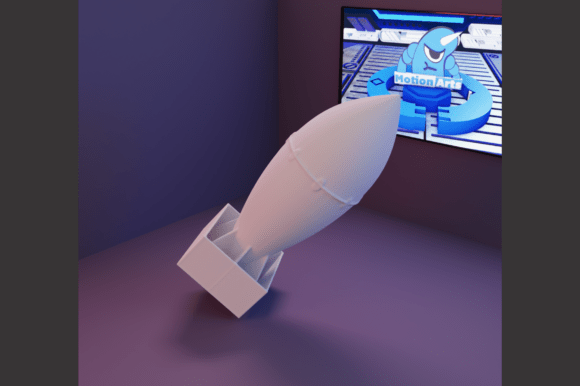
The intersection of history, science, and digital fabrication offers a unique opportunity to visualize pivotal moments in human development. A Nuclear Bomb scale replica, available as a high-quality 3D STL file, serves not as a weapon, but as a profound educational tool. This digital asset allows educators, museum curators, and history enthusiasts to bring the complex narrative of the 20th century into tangible focus. By translating a historical milestone into a physical object through 3D printing, we create a bridge between abstract geopolitical concepts and concrete understanding.
This model is designed exclusively for decorative and educational purposes. It represents a critical juncture where scientific advancement met global consequence. For creators working on dioramas, school projects, or historical exhibitions, this Nuclear Bomb replica provides an accurate artistic representation without any functional capability. It invites reflection on the weight of history while adhering to strict ethical guidelines regarding the depiction of weaponry.
Visualizing History Through Digital Fabrication
History books often rely on text and two-dimensional images to convey the magnitude of events like the Manhattan Project or the Cold War. However, a three-dimensional object changes the dynamic of learning. When students or visitors can see the scale, shape, and engineering aesthetics of a Nuclear Bomb replica, the historical context becomes more immediate. The STL file provided is optimized for modern 3D printers, ensuring that the details are crisp and the structural integrity is sound for display purposes.
The design prioritizes accuracy in form while strictly omitting any technical data related to actual weapon construction. This distinction is vital. The goal is to foster discussion about the era, the scientists involved, and the geopolitical shifts that followed, rather than focusing on mechanics. By using this model, educators can guide conversations about responsibility, ethics, and the dual-use nature of scientific discovery. It transforms a potentially sensitive topic into a structured learning experience grounded in historical fact.
Applications in Museums and Exhibitions
Museums and exhibition spaces constantly seek artifacts that tell compelling stories. A printed Nuclear Bomb model fits seamlessly into displays dedicated to World War II, the Atomic Age, or the evolution of military technology. Unlike fragile original artifacts, a 3D-printed replica is durable, safe, and customizable. Curators can place it alongside period photographs, documents, or other scale models to create immersive environments.
Consider a diorama set in a control room from the 1940s or a display case illustrating the delivery systems of the mid-20th century. The inclusion of this model adds a layer of realism that enhances the visitor's engagement. Furthermore, the optional display base included in the package allows for professional presentation. Adding a suggested informational plaque ensures that the context remains clear, emphasizing the historical significance rather than the destructive potential. This approach aligns with best practices in museology, where objects serve as prompts for deeper inquiry.
Educational Projects and Classroom Integration
In the classroom, this STL file opens doors for interdisciplinary projects. Teachers can integrate it into lessons on physics, history, political science, and even art. For instance, a history class might use the model to discuss the end of World War II and the beginning of the Cold War. Students can analyze the geopolitical landscape of the time, debating the moral implications of nuclear deterrence.
Art and design students can explore the aesthetic of industrial engineering. The sleek, metallic look of the Nuclear Bomb replica offers a study in form and function. They can experiment with different printing materials—such as PLA, PETG, or resin—to achieve various finishes, from matte grey to polished silver. This hands-on approach encourages creativity while maintaining a respectful distance from the subject matter. It teaches students how to handle sensitive topics with maturity and intellectual rigor.
Adapting the Model for Different Audiences
The versatility of a digital STL file means it can be adapted for various audiences and platforms. Hobbyists and collectors of military history can add this piece to their personal archives, displaying it as a conversation starter about the past. Marketers and content creators might use the model in video productions or blog posts discussing historical timelines, ensuring they have a visual asset that is both accurate and safe to share.
For small business owners specializing in 3D printing services, offering this model as part of a "History Series" can attract clients looking for unique, educational decor. Schools and libraries can print multiple copies for interactive learning stations. The key is to maintain the narrative focus: this is a tool for understanding, not for recreation. By framing the project correctly, creators can ensure that the output resonates positively with their audience.
Design Variations and Stylistic Approaches
While the core geometry of the Nuclear Bomb model remains consistent to preserve historical accuracy, there are creative ways to vary its presentation. Printers can choose to leave the surface textured to mimic the raw metal of the original era or apply a smooth finish for a more stylized look. Lighting plays a crucial role; placing the model under a spotlight in a darkened cabinet can evoke the gravity of the subject matter.
Creators can also experiment with color. While monochromatic schemes are historically accurate, subtle weathering effects can suggest age and storage conditions. However, it is essential to avoid making the model look like a toy or a prop for entertainment. The design should always command respect. Using high-resolution prints and careful post-processing techniques ensures that the final product looks like a serious artifact suitable for educational settings.
Ensuring Ethical Use and Context
Responsibility is paramount when dealing with representations of weapons of mass destruction. The Nuclear Bomb STL file comes with a clear directive: it is for educational and decorative use only. It must never be presented in a way that promotes violence or instructs on the creation of real devices. This ethical boundary protects the integrity of the project and ensures it remains a valuable resource for learning.
When sharing this model online or displaying it publicly, always include the historical context. Explain the timeline, the scientific breakthroughs, and the subsequent geopolitical tensions. Encourage viewers to reflect on the consequences of such power. By pairing the physical model with thoughtful narration or written descriptions, you transform a static object into a dynamic educational experience. This adherence to ethical standards builds trust with your audience and reinforces the value of the content.
Practical Recommendations for Creators
To maximize the impact of this project, follow these practical steps. First, ensure your 3D printer is calibrated for high detail, as the model includes intricate features that define its historical character. Second, select a material that conveys seriousness; standard PLA is fine, but painted resin or metal-filled filaments can elevate the presentation. Third, always pair the model with educational materials. A simple card explaining the historical event associated with the bomb adds immense value.
Finally, engage with your community. Share the story behind the model, the reasons for creating it, and the lessons it aims to teach. This transparency fosters a culture of responsible creativity. Whether you are a teacher, a designer, or a hobbyist, the Nuclear Bomb 3D model offers a powerful way to connect with the past. It stands as a testament to human ingenuity and a reminder of the responsibilities that come with technological advancement. By using this tool wisely, you contribute to a deeper understanding of one of the most significant chapters in human history.