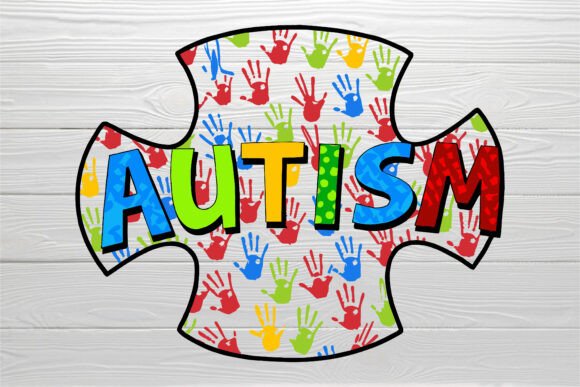
Autism Awareness Embrace Uniqueness: A Practical Guide for Advocacy and Design
In the landscape of modern advocacy, visual communication serves as a critical bridge between abstract concepts and tangible understanding. The phrase Autism Awareness Embrace Uniqueness represents more than a slogan; it is a strategic asset designed to shift the narrative from mere tolerance to active celebration of neurodiversity. For professionals ranging from educators and marketers to small business owners and community organizers, integrating this message into workflows requires a deliberate approach to planning, execution, and resource management. This guide explores how to effectively utilize this concept across various sectors, ensuring that your efforts resonate with authenticity and impact.
Defining the Core Concept and Its Strategic Value
The core philosophy behind Autism Awareness Embrace Uniqueness is rooted in the recognition that the autism spectrum is not a deficit to be fixed, but a variation of human experience to be understood and supported. In a practical workflow, this concept acts as a north star for decision-making. Whether you are designing a school bulletin board, launching a corporate diversity initiative, or creating content for a blog, this principle guides the tone, imagery, and messaging of the project.
Unlike generic awareness campaigns that may rely on outdated stereotypes, embracing uniqueness focuses on individuality, strength, and potential. When integrated into a professional process, it ensures that every output—be it a brochure, a presentation slide, or a social media post—aligns with current best practices in neurodiversity advocacy. This alignment is crucial for maintaining credibility and fostering genuine engagement with the autistic community and their families.
Integrating Assets into Your Creative Workflow
A significant component of executing an effective campaign involves the selection and deployment of high-quality visual assets. The versatility of the Autism Awareness Embrace Uniqueness package lies in its availability across multiple file formats: EPS, SVG, PNG, and JPG. Understanding the technical specifications of these files is essential for streamlining your production pipeline and ensuring consistency across different media channels.
- EPS (Encapsulated PostScript): Ideal for large-scale printing projects such as banners, billboards, or high-resolution brochures. This vector format allows for infinite scaling without loss of quality, making it indispensable for print shops and professional graphic designers.
- SVG (Scalable Vector Graphics): Perfect for digital applications where responsiveness is key. If you are developing a website or an interactive app for an educational platform, SVG ensures that the logo remains crisp on any screen size, from mobile devices to desktop monitors.
- PNG (Portable Network Graphics): Best suited for digital overlays, presentations, and social media graphics where transparency is required. This format allows the design to sit cleanly over various background colors or images used in marketing materials.
- JPG (Joint Photographic Experts Group): Useful for email newsletters, web blogs, and general sharing where file size optimization is necessary. It provides a balance between quality and load speed for standard web usage.
By having access to these specific formats, creators can avoid the common pitfall of resizing low-resolution images, which often leads to pixelation and a reduction in professional quality. This preparedness allows teams to move quickly from the planning phase to execution without technical bottlenecks.
Application in Educational and Community Settings
Educational institutions play a pivotal role in shaping societal attitudes toward autism. Integrating the Autism Awareness Embrace Uniqueness message into school environments requires a thoughtful strategy that goes beyond simple decoration. During Autism Awareness Month, schools can utilize the provided assets to transform hallways and classrooms into spaces of learning and inclusion.
Teachers and administrators can use the high-resolution EPS or SVG files to create durable posters for bulletin boards that withstand daily wear and tear. These visuals serve as conversation starters, prompting discussions about neurodiversity, empathy, and respect among students. Furthermore, these assets can be incorporated into workshops and parent-teacher meetings, providing a visual anchor for presentations on early intervention, behavioral support, and social skills development.
For community support groups, the versatility of these designs facilitates the creation of handouts and brochures. These materials can be distributed at local events, therapy centers, and family gatherings. By consistently using a unified visual identity, organizations reinforce the message that acceptance and understanding are ongoing processes, not just seasonal events. This consistency helps build trust and familiarity within the community.
Workflow Integration for Marketers and Entrepreneurs
For entrepreneurs and marketers, the Autism Awareness Embrace Uniqueness theme offers an opportunity to demonstrate corporate social responsibility while engaging with a diverse audience. However, successful implementation requires careful planning to ensure the message is delivered respectfully and authentically.
Before launching a campaign, it is vital to audit existing brand guidelines to ensure compatibility. The chosen color palette and typography should complement the design assets rather than clash with them. Once the visual elements are selected, they can be deployed across various touchpoints:
- Pre-Launch Phase: Use the SVG and PNG files to draft mockups for social media teasers and email announcements. This stage is also ideal for gathering feedback from stakeholders and community representatives to refine the messaging.
- Execution Phase: Roll out the campaign using the appropriate file formats for each channel. High-quality JPGs for blog posts, transparent PNGs for Instagram stories, and scalable vectors for any printed merchandise or event signage.
- Post-Campaign Analysis: Evaluate the engagement metrics. Did the emphasis on "uniqueness" resonate? How did the visual identity contribute to the overall perception of the brand's commitment to inclusion?
This structured approach ensures that the campaign is not only visually appealing but also strategically sound. It transforms a static image into a dynamic tool for storytelling and brand building.
Ensuring Quality Control and Long-Term Usability
Sustainability is a key factor in long-term advocacy efforts. The Autism Awareness Embrace Uniqueness assets are designed to be reusable and adaptable, allowing organizations to maintain a consistent voice over time. To maximize their utility, it is recommended to establish a central repository for all file versions. This organizational step prevents version control issues and ensures that team members always have access to the highest quality source files.
Quality control also involves regular updates to the accompanying content. While the visual symbol of embracing uniqueness remains relevant, the context in which it is presented should evolve alongside current research and community needs. For instance, shifting focus from "awareness" to "acceptance" or highlighting specific aspects like occupational therapy and language development can keep the message fresh and impactful.
Furthermore, consider the accessibility of your materials. When using these designs in digital formats, ensure that alternative text descriptions are included to make the content accessible to individuals with visual impairments. This attention to detail reflects the very values the campaign promotes: inclusivity and consideration for all users.
Building a Culture of Empathy and Respect
Ultimately, the goal of utilizing Autism Awareness Embrace Uniqueness is to foster a culture where differences are celebrated rather than merely tolerated. Whether you are a freelancer creating a portfolio piece, a publisher compiling a guide on special needs, or a hobbyist organizing a local fundraiser, your work contributes to a larger movement.
By embedding these principles into your daily workflow, you signal a commitment to equality and empowerment. The process of selecting, adapting, and deploying these resources becomes an exercise in empathy itself. It requires listening to the voices of the autistic community, understanding their challenges, and recognizing their strengths. This mindset shift is what transforms a simple design project into a meaningful act of advocacy.
As you move forward with your own initiatives, remember that the most effective tools are those used with intention and care. The Autism Awareness Embrace Uniqueness framework provides the visual and conceptual foundation, but it is your dedication to the process that brings the message to life. Through consistent application and thoughtful integration, we can build a world where every individual feels seen, valued, and supported.