Science Pattern: A Practical Guide to Selecting and Using Educational Designs
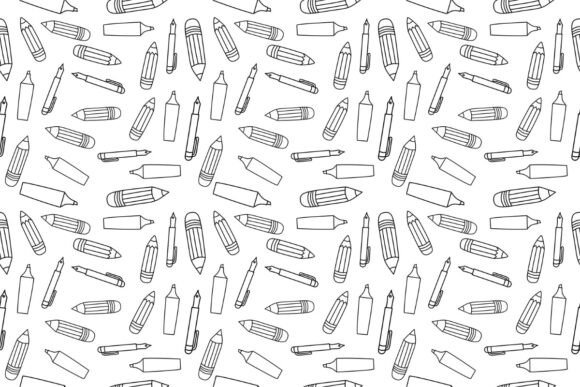
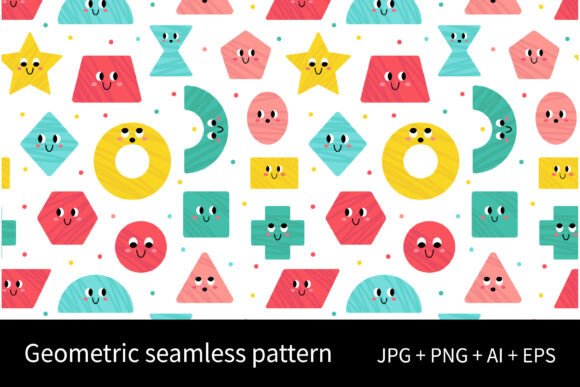
When you search for a visual theme that bridges the gap between academic rigor and creative expression, a Science Pattern often emerges as the ideal solution. Specifically, a seamless pattern featuring various education-themed elements such as books, pencils, rulers, globes, graduation caps, and school supplies offers a versatile foundation for countless projects. Whether you are designing digital wallpapers, planning fabric prints, creating stationery, or developing educational designs, the right vector pattern can elevate your work from generic to professional. However, many creators overlook critical details when selecting these assets, leading to wasted time, poor print quality, or disjointed branding.
Choosing the wrong asset is rarely about the design itself; it is usually about how well the file matches your specific technical requirements. A beautiful image on a screen does not guarantee success in a physical product. Understanding the nuances of a high-quality vector pattern is essential for anyone looking to produce materials for school environments, classroom decorations, learning resources, or creative projects related to knowledge and academia.
The Trap of Low-Resolution Downloads
One of the most common mistakes professionals and hobbyists make is prioritizing aesthetics over file format. When browsing for a Science Pattern, it is tempting to download the first image that looks good in a thumbnail preview. This approach often leads to acquiring raster images (like JPEGs or PNGs) instead of true vector files. While a raster image might look acceptable on a computer monitor, it will pixelate and lose clarity when scaled up for large formats like banners, fabric rolls, or detailed stationery.
For a seamless pattern featuring complex items like globes and graduation caps, crisp lines are non-negotiable. If you plan to use this design for classroom decorations or commercial fabric prints, a low-resolution file will result in blurry edges and muddy colors. The cost of reprinting materials due to poor source files far exceeds the initial savings of choosing a free or cheap low-quality option. Always verify that the asset is a scalable vector graphic (SVG, EPS, or AI). This ensures that whether you need a small icon for a website or a massive backdrop for an event, the resolution remains perfect.
Misunderstanding Seamless Tiling Mechanics
Even with a high-quality vector file, users frequently struggle with the concept of "seamless" tiling. A truly seamless pattern allows the design to repeat horizontally and vertically without visible breaks or gaps. In a Science Pattern filled with distinct objects like rulers and pencils, alignment is critical. If the pattern is not perfectly tiled, you will see abrupt cuts where a book might be sliced in half or a globe appears distorted at the edge of the repeat.
This issue becomes glaringly obvious in digital projects like wallpapers or when printing continuous rolls of paper. To avoid this, do not simply assume the file is seamless because the description says so. Open the file in your preferred design software and test the tile function before committing to a final layout. Check the corners and edges specifically. If you notice misalignment, you may need to adjust the offset manually or seek a different resource. A poorly tiled pattern disrupts the visual flow and makes the design look amateurish, undermining the professional image you are trying to project.
Color Consistency and Brand Alignment
Another overlooked detail is color management. Education-themed elements often come in standard primary colors, but applying them blindly can clash with your existing brand identity or project palette. For instance, if you are creating learning resources for a specific institution, using a Science Pattern with neon greens or bright oranges might conflict with their official blue and gold branding.
Before downloading, check if the vector file uses editable swatches rather than fixed hex codes. High-quality vector patterns allow you to easily recolor the pencils, books, and graduation caps to match your specific needs. If the colors are flattened or locked, you will spend hours trying to isolate individual elements just to change a shade. Always opt for files with grouped layers and editable colors to maintain flexibility. This small step ensures that your presentation remains cohesive and that your communication through design is clear and consistent.
Evaluating Usability Across Different Mediums
The versatility of a Science Pattern is its greatest strength, but it requires careful evaluation regarding the medium of application. A design that works beautifully for digital wallpapers may not translate well to fabric prints due to differences in how ink interacts with material versus light on a screen. Fabric absorbs ink differently, which can mute vibrant colors or soften fine details found in intricate school supplies like protractors or compasses.
If you are a small business owner planning to sell stationery or merchandise, test a mockup before mass production. Print a sample on the actual material you intend to use. Look for issues like color bleeding or loss of detail in the smaller elements, such as the text on a book spine or the texture of a globe. By catching these issues early, you avoid the frustration and financial loss of producing a batch of unusable products. Remember, efficiency in production comes from thorough preparation, not speed.
Checking Licensing and Commercial Rights
Finally, one of the most significant risks involves licensing. Many creators download a Science Pattern assuming it is free to use for any purpose. However, licenses vary widely. Some allow personal use only, while others require attribution or prohibit resale on physical goods. Using a pattern for commercial projects like educational designs or branded merchandise without the correct license can lead to legal complications and forced removal of your products.
Always read the terms of service carefully before making a purchase or download. Look for explicit mentions of "commercial use," "merchandise rights," and "unlimited copies." If the license is unclear, contact the creator directly. It is better to invest in a properly licensed asset upfront than to face potential disputes later. This diligence protects your business reputation and ensures peace of mind as you scale your creative endeavors.
By focusing on file quality, testing seamless tiling, managing color consistency, evaluating medium suitability, and verifying licensing, you can maximize the value of a Science Pattern. These practical steps transform a simple collection of books, pencils, and globes into a powerful tool for effective communication and high-quality design. With the right approach, your educational projects will stand out for their professionalism and attention to detail.