Livingroom Board Mockup: A Practical Evaluation
In the realm of digital branding and visual presentation, the Livingroom Board Mockup has emerged as a distinct tool for designers seeking to contextualize their work within a domestic or semi-formal environment. Unlike sterile studio backgrounds, this specific type of mockup places design elements—such as logos, typography, or menu boards—onto a blackboard situated within a furnished living room setting. This approach offers a unique narrative quality, blending the rustic charm of chalkboards with the warmth of interior design. For professionals evaluating whether this asset fits their workflow, it is essential to understand its mechanics, aesthetic implications, and practical applications.
Understanding the Livingroom Board Mockup
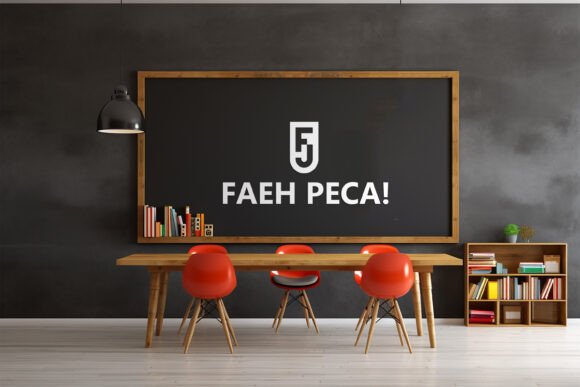
A Livingroom Board Mockup is essentially a photorealistic template where a blank blackboard is integrated into a high-resolution photograph of a living space. The board may be mounted on an accent wall, leaning against a sofa, or incorporated into a shelving unit. The primary function of this tool is to allow users to digitally overlay their designs onto the board surface using smart objects in software like Adobe Photoshop. The result is a realistic rendering that shows how a logo, poster, or advertisement would appear in a real-world, lived-in context.
This category often includes variations such as painted blackboard designs, vintage-style frames, and textured surfaces that mimic actual chalk dust. The inclusion of surrounding furniture, lighting fixtures, and architectural details transforms a flat graphic into a scene. This differs significantly from standard "wall logo mockups" which often feature empty, white, or concrete walls without environmental context. The living room setting provides depth, shadows, and ambient lighting that interact with the design, creating a more immersive preview.
Why Consider This Format?
Designers and brand managers might be drawn to the Livingroom Board Mockup for several strategic reasons. First, it humanizes the brand. By placing a logo in a cozy, relatable environment, the design feels less corporate and more accessible. This is particularly effective for businesses targeting lifestyle audiences, such as cafes, boutique retail stores, or educational institutions looking to showcase school logo mockups in a home-schooling context.
Secondly, the format excels at demonstrating versatility. A single collection often provides a plethora of variants, ranging from professional logo displays to restaurant blackboard menu designs. This allows a client to visualize how a brand identity adapts to different uses without needing to commission physical prototypes. The textured look of painted blackboard designs adds a tactile quality that flat digital files lack, offering a premium feel that can elevate the perceived value of a proposal.
Benefits and Tradeoffs
Evaluating the utility of these mockups requires a balanced view of their advantages and limitations. The primary benefit is the immediate creation of a compelling narrative. The detailing within the interior wall mockups weaves a story around the design, suggesting a lifestyle rather than just displaying a mark. This emotional connection can be a powerful sales tool when presenting concepts to clients who struggle to visualize abstract logos.
However, there are tradeoffs to consider. The complexity of the background can sometimes distract from the main subject. In a busy living room scene with intricate furniture and decor, a small or subtle logo might get lost. Designers must ensure high contrast between the chalk-like text and the dark board surface to maintain readability. Additionally, the "vintage vibe" inherent to many blackboard designs may not align with brands aiming for a strictly modern, minimalist, or futuristic aesthetic. While the collection emits an intriguing retro atmosphere, this style clash could undermine a brand's core identity if not carefully managed.
Key Considerations for Selection
- Brand Alignment: Does the rustic, hand-drawn aesthetic of a blackboard fit your brand voice? If your brand is high-tech or ultra-modern, a sleek glass or metal mockup might be more appropriate.
- Readability: Ensure the lighting in the mockup does not create glare or shadows that obscure the design. Test your logo at various sizes to confirm legibility.
- Context Relevance: Is a living room the right setting? For a restaurant menu, a dining area or bar setting might be more logical than a general living space, though the latter works well for lifestyle advertising.
- Customization Limits: While exclusive digital blackboard mockups offer flexibility, the perspective is fixed. You cannot easily change the angle of the camera or the position of the board without advanced masking skills.
Ideal Scenarios for Use
The Livingroom Board Mockup is a strong fit for specific situations where atmosphere and texture are paramount. It is exceptionally useful for:
- Restaurant and Cafe Branding: Many establishments use blackboards for daily specials or menus. Seeing a menu design within a warm, inviting room helps stakeholders visualize the customer experience.
- Event Promotion: For posters and advertising needs, the casual setting suggests community events, local gatherings, or pop-up shops, making the promotion feel organic and neighborhood-focused.
- Education and Workshops: School logo mockups or educational branding benefit from the association with learning environments. A blackboard in a home office or study nook reinforces themes of tutoring, online courses, or family education.
- Lifestyle Portfolios: Graphic designers building portfolios can use these to show range, demonstrating that their work looks good not just on a screen, but in a physical, decorated space.
In these contexts, the ability to digitally transform ideas into striking displays allows for rapid iteration. Clients can see multiple versions of a logo or menu instantly, speeding up the approval process.
When to Consider Alternatives
Despite its strengths, the Livingroom Board Mockup is not a universal solution. There are scenarios where alternatives should be prioritized. If the goal is to present a technical specification, a financial report, or a corporate identity for a law firm or medical practice, the informal nature of a chalkboard may convey the wrong message. In these cases, clean, neutral backgrounds or architectural renderings of office lobbies provide a more professional tone.
Furthermore, if the design relies heavily on vibrant colors, the dark, matte surface of a blackboard may mute the visual impact. Whiteboards, neon signs, or digital screen mockups might better preserve color fidelity and energy. Similarly, if the project requires a mobile-first presentation, the wide aspect ratio of a living room scene may not translate well to vertical social media formats without significant cropping, which could remove crucial context.
Practical Decision-Making Insights
To determine if this tool aligns with your goals, ask yourself what story you need to tell. If the narrative is about comfort, tradition, craftsmanship, or community, the Livingroom Board Mockup is likely an excellent choice. It provides a textured, engaging canvas that invites the viewer to imagine the product in their own life. However, if clarity, speed, and minimalism are the primary objectives, simpler mockups will serve you better.
Ultimately, the value lies in the customization. With a range of customizable logo mockups and blackboard design templates available, the key is to select the variant that best supports the specific message of the project. Whether showcasing a new restaurant concept or refining a personal brand, the decision should hinge on whether the vintage, textured aesthetic enhances the design or competes with it. By weighing these factors, designers can confidently choose tools that bring their expressions vividly to life while maintaining professional integrity.